
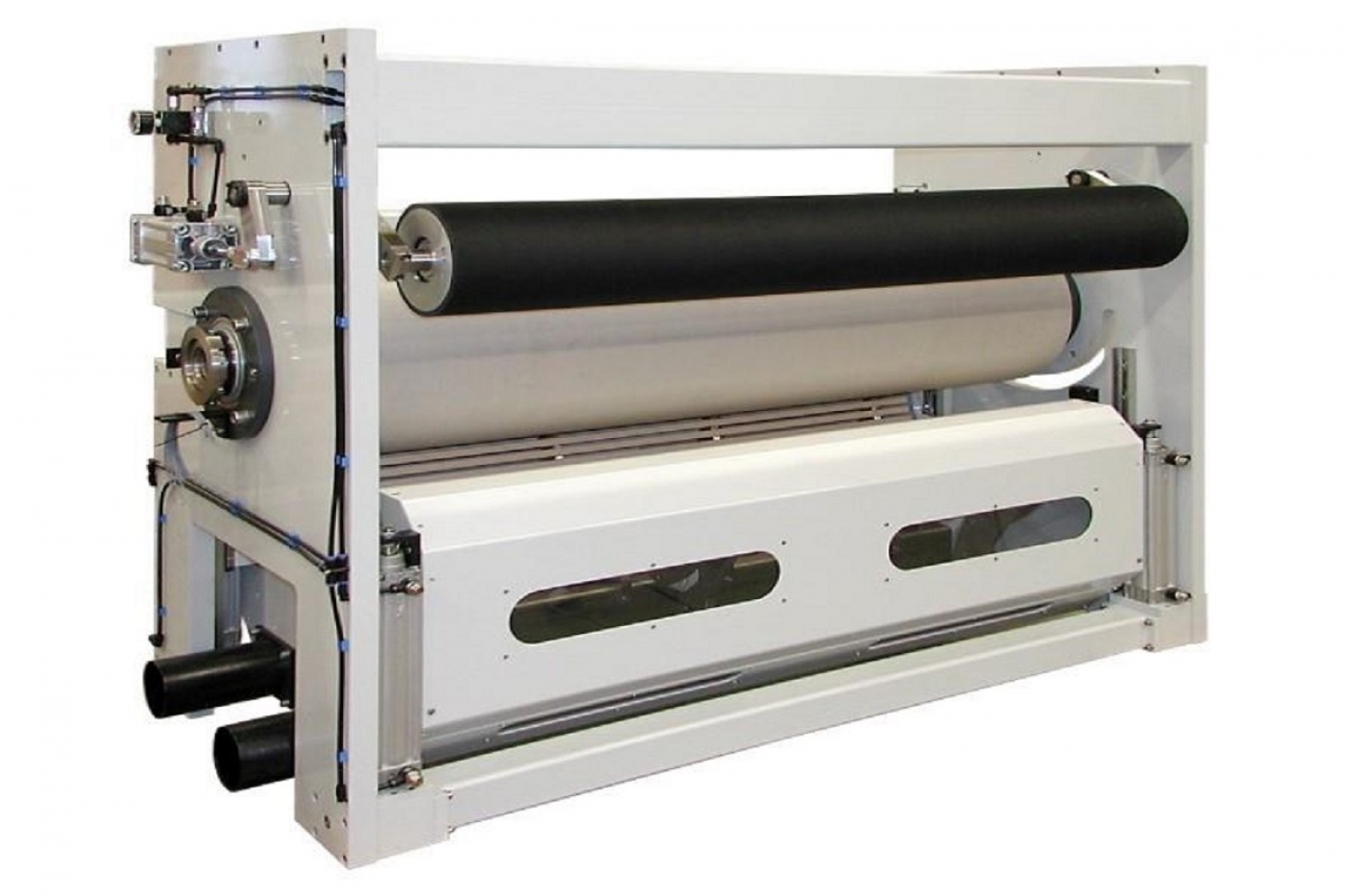
Plasma can be defined as a gas which is fully or partially ionized. More precisely, plasma is a gaseous medium consisting of molecules, atoms, ions, and electrons. Owing to the presence of charged particles, plasma has an electrical conductivity, therefore it may be strongly influenced by electric and magnetic fields.
 March 24, 2020
  More Info
 Manufacturing Equipment
Surface plasma processing
Manufacturing Equipment
Surface plasma processing
Plasma can be defined as a gas which is fully or partially ionized. More precisely, plasma is a gaseous medium consisting of molecules, atoms, ions, and electrons. Owing to the presence of charged particles, plasma has an electrical conductivity, therefore it may be strongly influenced by electric and magnetic fields.
Plasma, in broadest meaning, describes any gas which only 1% (or less) of its atoms are ionized. The density of plasma, however, specifies the nature of gas in much narrower and more extreme terms. The density of plasma determines the degree of ionization. According to this definition, low density plasmas (e.g. ionization of only 1% of atoms) are typically called cold plasma.
As mentioned earlier, plasma has electrically charged gaseous particles (gaseous ions), and because of that, its particles may be accelerated under electrical and/or magnetic fields. Because of these features, the use of plasma (in broadest meaning, from cold plasma to high temperature/density plasma) has become commonplace in industrial and laboratory equipment.
Since plasma has high energy particles and its particles can be accelerated in the presence of electric/magnetic fields and hit the surfaces, it can be used in textiles surface modification, etching and cleaning, polymerization, deposition and production of nanostructures. The collision of high-energy particles and their reaction with the surface of materials break the chains and lead to the formation of free radicals, while the properties of bulk materials remain constant.
Generally, the surface modifications by plasma can create or improve characteristics such as hydrophilicity, antistatic properties, capillary, chemical absorption, color absorption, printability, increasing the effective surface, creating active sites, adhesion and many other cases in produced textiles.
Some applications of this device are as follows:
This device generates plasma in ambient atmospheric pressure with the aid of applying DC and/or low-frequency AC between two ceramic electrodes. The device specifications are different based on the customer order and application type. Details of technical specifications are presented in the following Table.

Advantager of using nanotechnology
This device is designed and constructed with the aim of textiles surface modification, etching and cleaning, polymerization, deposition and production of nanostructures. Thus, utilizing this device can make Nano scale surface modifications possible.
Manual and maintenance
 Comments
 58262
58262  59212
59212  59495
59495 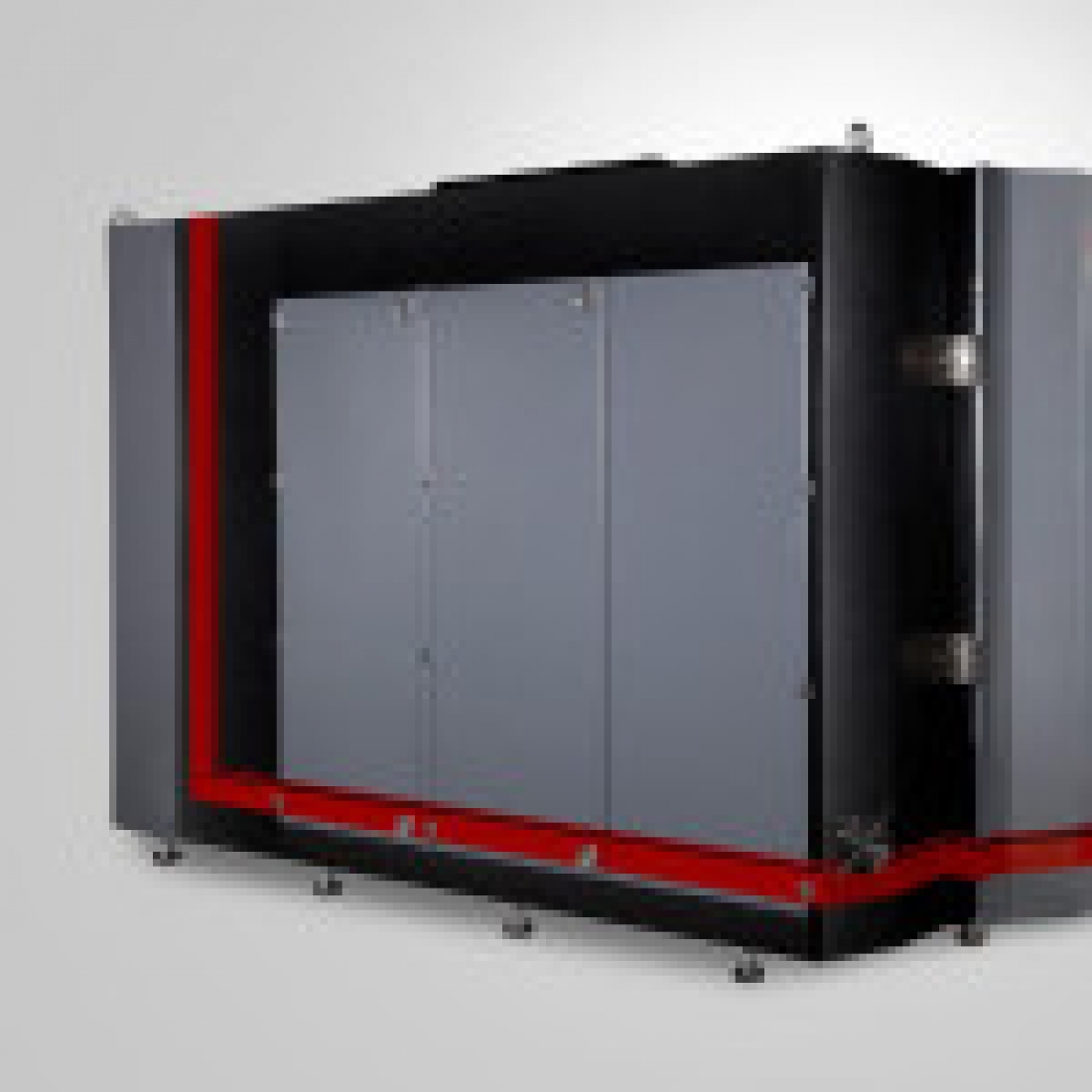 62460
62460  60301
60301 
 0
0  Printable