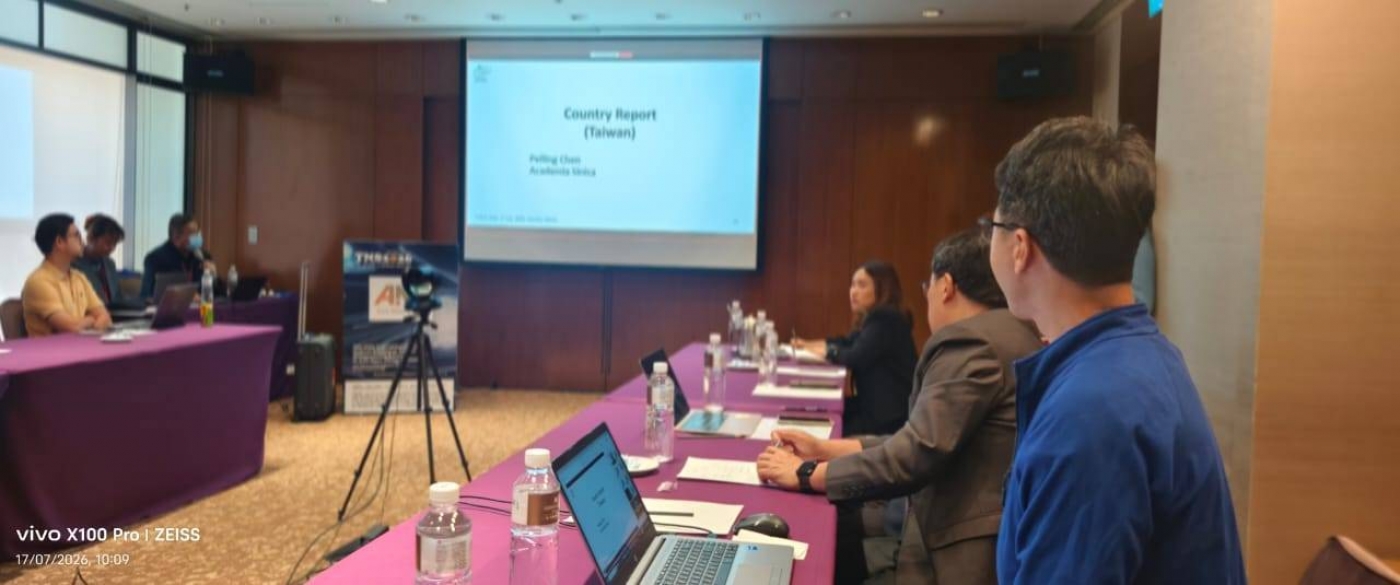

The 10th edition of Iran’s Scientific Elites Award Ceremony was held on Saturday, December 20, 2025, in Tehran, with the participation of the Vice President for Science, Technology, and the Knowledge-Based Economy. During the event, 77 distinguished researchers were formally recognized as the country’s leading scientific figures, reflecting what officials described as a renewed upward trajectory in both the quality and quantity of Iran’s scientific output.
 December 21, 2025
 Agreements
The ceremony took place at the Iran International Conference Center and was attended by senior government officials, university professors, and researchers. Among the speakers were Hossein Afshin, Vice President for Science, Technology, and the Knowledge-Based Economy, and Ali Mohammad Soltani, Head of the Iran National Science Foundation (INSF).
Speaking at the event, Soltani highlighted the history of the Scientific Elites program, noting that since its launch in 2015, more than 357 outstanding researchers from across the country have been identified and supported over nine previous editions. He described the program as a structured platform for recognizing researchers whose internationally recognized publications have contributed meaningfully to advancing scientific frontiers.
According to Soltani, the selection of scientific elites follows a formally approved framework and transparent evaluation criteria. The assessment process for the 10th edition was conducted in line with the regulations of the Scientific Council of the Iran Science Foundation, with candidates selected from universities, research institutes, and scientific centers nationwide.
Soltani outlined the support mechanisms available to selected researchers, which include research grants for approved projects, funding for international scientific travel, opportunities to host postdoctoral researchers, and access to the national laboratory network’s research credits. Awardees may submit support requests through the Foundation’s online system for up to one year following the ceremony.
He also emphasized a recent increase in the Foundation’s financial resources, made possible through coordination with the Plan and Budget Organization and strong backing from the Vice Presidency for Science and Technology. As a result, both the number of approved projects and funding ceilings have expanded, enabling more targeted and strategic research support. The Iran National Science Foundation currently issues approximately 50 research calls annually, aligned with national scientific priorities.
Vice President Hossein Afshin reported a significant improvement in national scientific indicators. “Compared to last year, the number of recognized scientific elites has increased by 35%, while the publication of high-quality articles in leading international journals has grown by 28%,” he said. According to Afshin, these figures indicate that Iran has moved beyond a period of scientific stagnation and entered a new phase of growth.
He stressed that the criteria for selecting scientific elites are based on internationally recognized indicators, emphasizing both quantitative output and qualitative impact. “A scientific elite is defined by excellence in both dimensions,” Afshin noted, adding that the growing number of researchers meeting these standards signals a promising future for Iran’s scientific ecosystem.
Afshin also announced that, for the first time, 300 researchers at three top universities, University of Tehran, Sharif University of Technology, and Tarbiat Modares University, have received targeted support packages aimed at creating a more stable and transparent pathway for academic and research careers.
He underlined the importance of strengthening scientific output alongside research infrastructure. “High-quality publications are the foundation of scientific advancement,” he said, “but knowledge must flow into technology, products, and economic value. Interrupting this chain weakens the entire knowledge-based ecosystem.”
As part of the administration’s broader strategy, Afshin noted that expanding national laboratories, research centers, and researcher access to advanced equipment is a core pillar of the government’s science and technology agenda.
According to Afshin, three categories of research grants have been defined for scientific elites: direct research funding for faculty members, subsidized access to national laboratory services, and postdoctoral researcher salaries funded by the Vice Presidency. The goal of this support package is to enhance research productivity and accelerate the transition from scientific discovery to technological application.
During the ceremony, Sharif University of Technology was named the institution with the highest number of scientific elites for the seventh consecutive year, with seven faculty members included among the 77 awardees. Sharif University of Technology and the University of Tehran jointly ranked first among Iranian universities in the 2025 national academic rankings, followed by Tarbiat Modares University in third place.
In addition, based on the annual evaluation of the national laboratory network, the Central Laboratory Services Center of Sharif University of Technology was ranked first among participating laboratories.
A report presented at the event showed that the scientific performance of 2,030 Iranian authors was evaluated. In 2024, these researchers published 857 articles across 135 international journals, forming the basis for the current year’s assessments.
The 10th Scientific Elites Award Ceremony concluded with an emphasis on sustained researcher support and continued investment in scientific infrastructure, positioning the initiative as a symbol of Iran’s ongoing efforts to consolidate and enhance its standing within the regional and global scientific community.
 Comments
 56939
 186580
 313480

 0
 Printable