
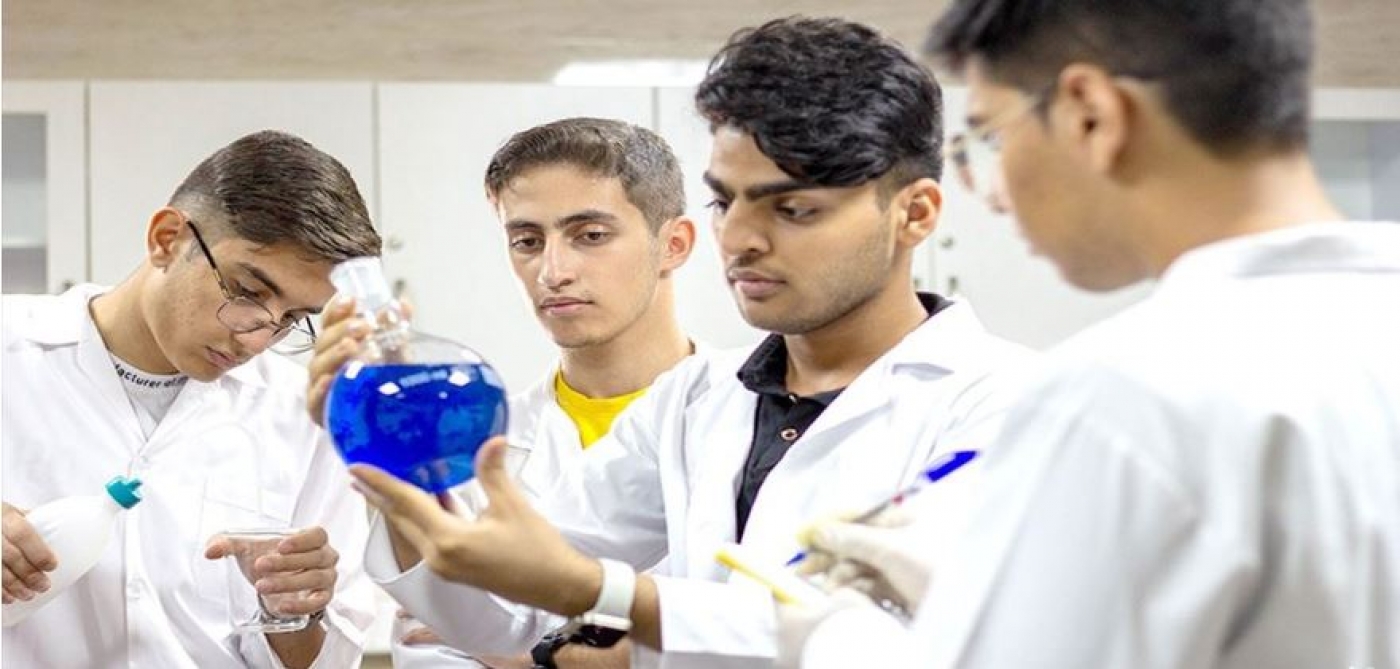
Iran has hosted the inaugural edition of the International Nanotechnology Olympiad for high school students, with representatives from 20 countries across five continents taking part in the virtual event.
 October 06, 2025
 Scientific
Afshin Ramzi, Director of the Permanent Secretariat of the International Nanotechnology Olympiad, explained that the initiative stemmed from Iran’s long experience in organizing national nanotechnology competitions. “With 16 editions of our national nanotechnology Olympiad already held, the idea emerged to establish a similar platform at the international level,” he said.
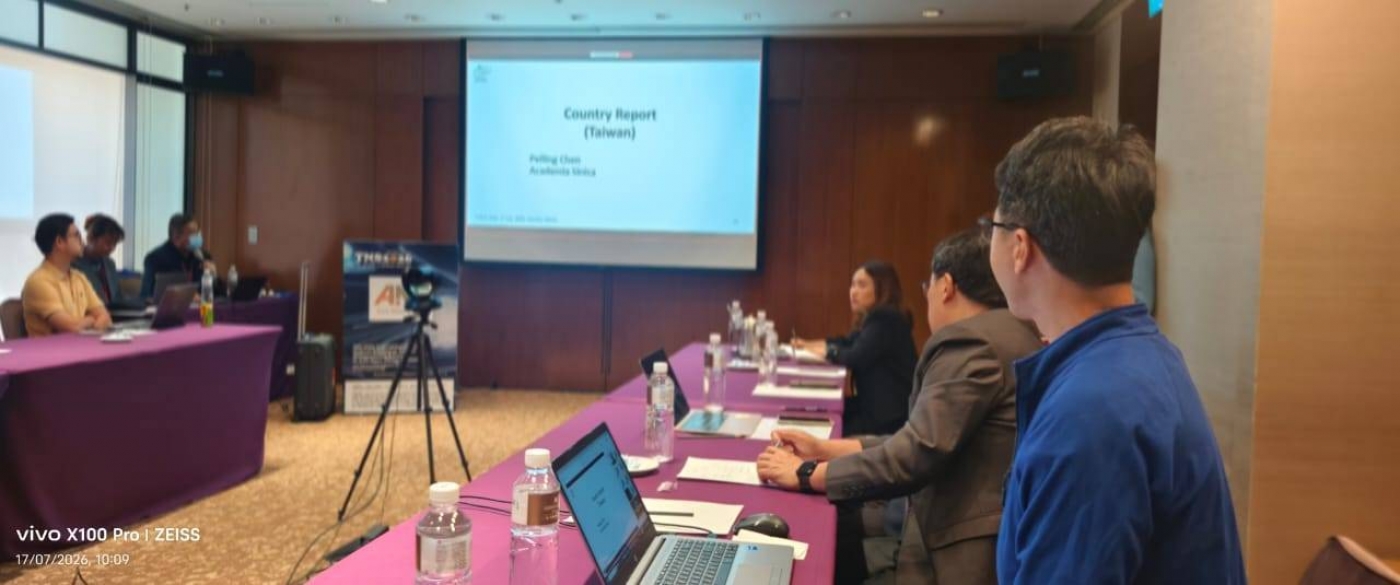
Ramzi noted that earlier efforts to create international competitions began at the university level. The first International Nanotechnology Olympiad for university students was held in Iran in 2019, with subsequent editions planned every two years. The second round, scheduled for 2020 in Oman, was canceled due to the COVID-19 pandemic. Malaysia hosted the following edition in 2023, and Taiwan is set to host the next one in 2026.
Building on that model, Iran has now introduced a high school–level Olympiad, which Ramzi said fills a global gap: “Even leading countries in nanotechnology had not yet developed a dedicated Olympiad for school students. Given our 16 years of experience at the national level, we decided to launch an international edition for this younger group.”
The event is overseen by the Permanent Secretariat of the International Olympiad, headquartered in Tehran under the Iran Nano and Micro technologies Innovation Council, and supported by the Young Scholars Club, the official body responsible for national and international Olympiads in the country.
Students from Germany, Bangladesh, Jordan, Kuwait, Malaysia, Oman, Pakistan, Palestine, Romania, Russia, Saudi Arabia, Tajikistan, Thailand, Tunisia, the United Kingdom, the United States, Venezuela, India, Australia, and Iran are participating in this first edition.
The competition began on September 28 with an online exam. Participants were then given 72 hours to upload a video presentation outlining an economic model to address an environmental challenge. The projects are now under review, and the final results are expected to be announced next week.
 Comments
 63052
 192726

 318592

 0
 Printable