 November 29, 2025
 Industrial
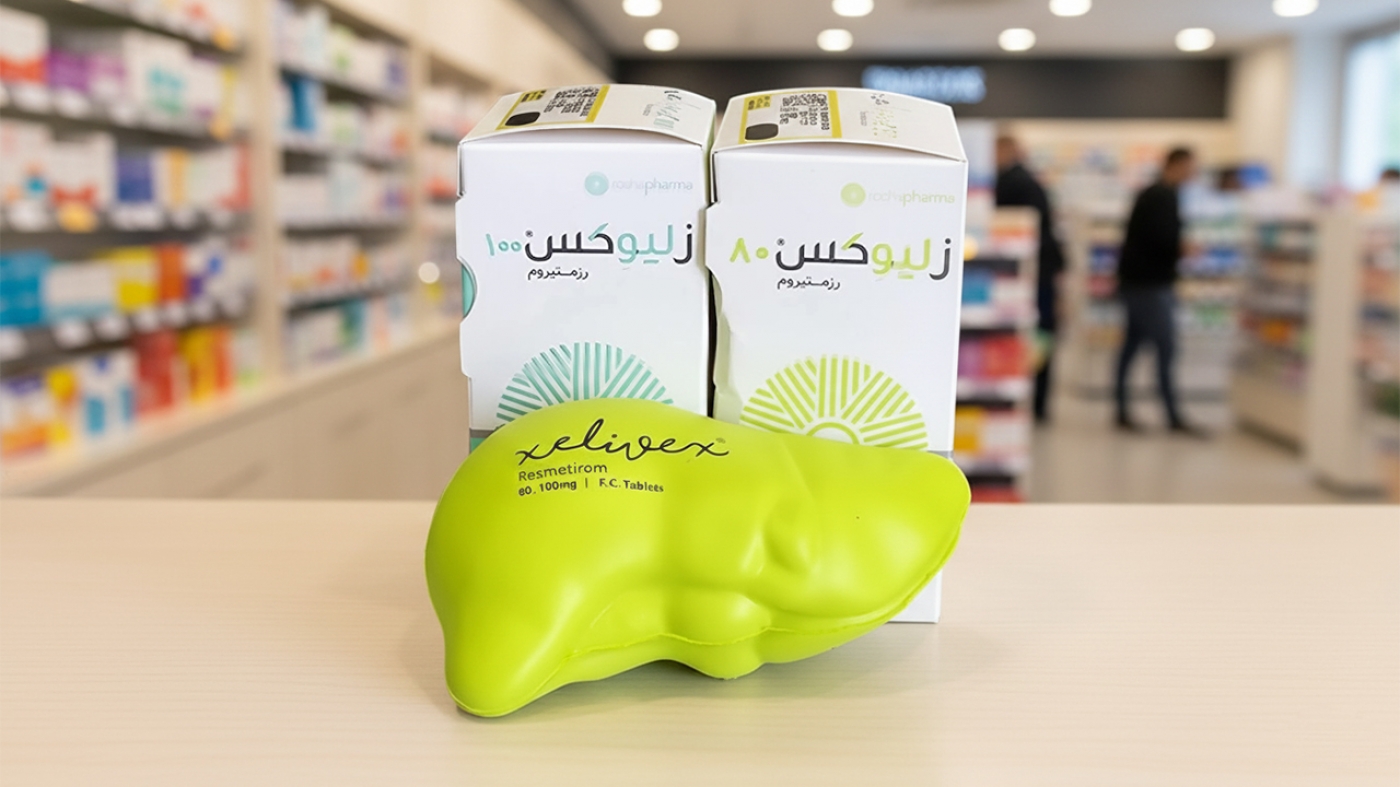
The introduction of Zeliox, an oral Iranian-made medicine containing resmetirom, marks a new phase of scientific capability and self-reliance in Iran’s pharmaceutical industry. Developed for the management of fatty liver disease, the drug is now available with a fully localised formulation, domestic production of the active pharmaceutical ingredient, and completion of comprehensive stability studies in accordance with international standards. Priced at under USD 2 per tablet, Zeliox offers a low-cost alternative to a foreign counterpart priced at USD 180 per unit, significantly expanding patient access to standard treatment. Reduced treatment costs, elimination of import dependency, and proven effectiveness in lowering liver fat and inflammation while slowing fibrosis progression are among the drug’s key advantages—developments that could soon reshape national health policy.
Iran’s pharmaceutical sector has taken a major step forward with the launch of Zeliox (resmetirom), following full regulatory approval from the Food and Drug Organisation. Recognised as an approved oral therapy for fatty liver disease, the domestically produced version has now entered the national treatment cycle, backed by Iranian technical know-how and manufacturing capacity.
Resmetirom has emerged as one of the most effective therapies for non-alcoholic fatty liver disease (NAFLD) in recent years, with extensive global studies confirming its ability to reduce liver fat, control inflammation, and slow fibrosis progression in stages F2 and F3. In Iran, production has been achieved through a complete process encompassing API synthesis, formulation development, and stability testing aligned with international benchmarks.
Beyond its strong scientific foundation, Zeliox carries substantial economic significance. While the drug is sold globally at an average price of USD 180 per unit, a major barrier for many patients, it sharply reduces treatment costs. This price differential plays a decisive role in easing the financial burden on families and ensuring stability in the supply of specialised medicines.
Domestic production has effectively removed dependence on imports of a critical, high-cost drug. This not only secures a continuous market supply but also delivers important industrial and economic benefits by keeping healthcare resources within the country. At a time when imported alternatives were limited due to high prices and logistical challenges, the local availability of Zeliox has markedly improved access to effective treatment.
Preliminary estimates indicate that Zeliox can treat up to 25 percent of patients with grade 2 or higher fatty liver disease, a meaningful effect size given the high prevalence of the condition in Iran. If left unmanaged, fatty liver disease can progress to severe inflammation, advanced fibrosis, or even liver failure, making early and affordable intervention essential.
The benefits of Zeliox are not limited to therapeutic outcomes. As a homegrown medicine, it has made globally accepted treatment more accessible and affordable for a broad patient population. With its integration into the official drug distribution network, patient management is expected to improve while the healthcare system is relieved of the heavy costs associated with sourcing foreign alternatives. Moreover, the domestic development of resmetirom lays the groundwork for future therapies and new treatment lines in liver disease.
Overall, Zeliox stands as a clear example of successful synergy between research, knowledge-based innovation, and industry. Its market entry demonstrates that Iran’s pharmaceutical sector is not only capable in generics, but also able to compete regionally and globally in the production of innovative, strategic medicines.
 Comments
 62313
 191917
 317840

 0
 Printable