
 November 24, 2025
 Industrial
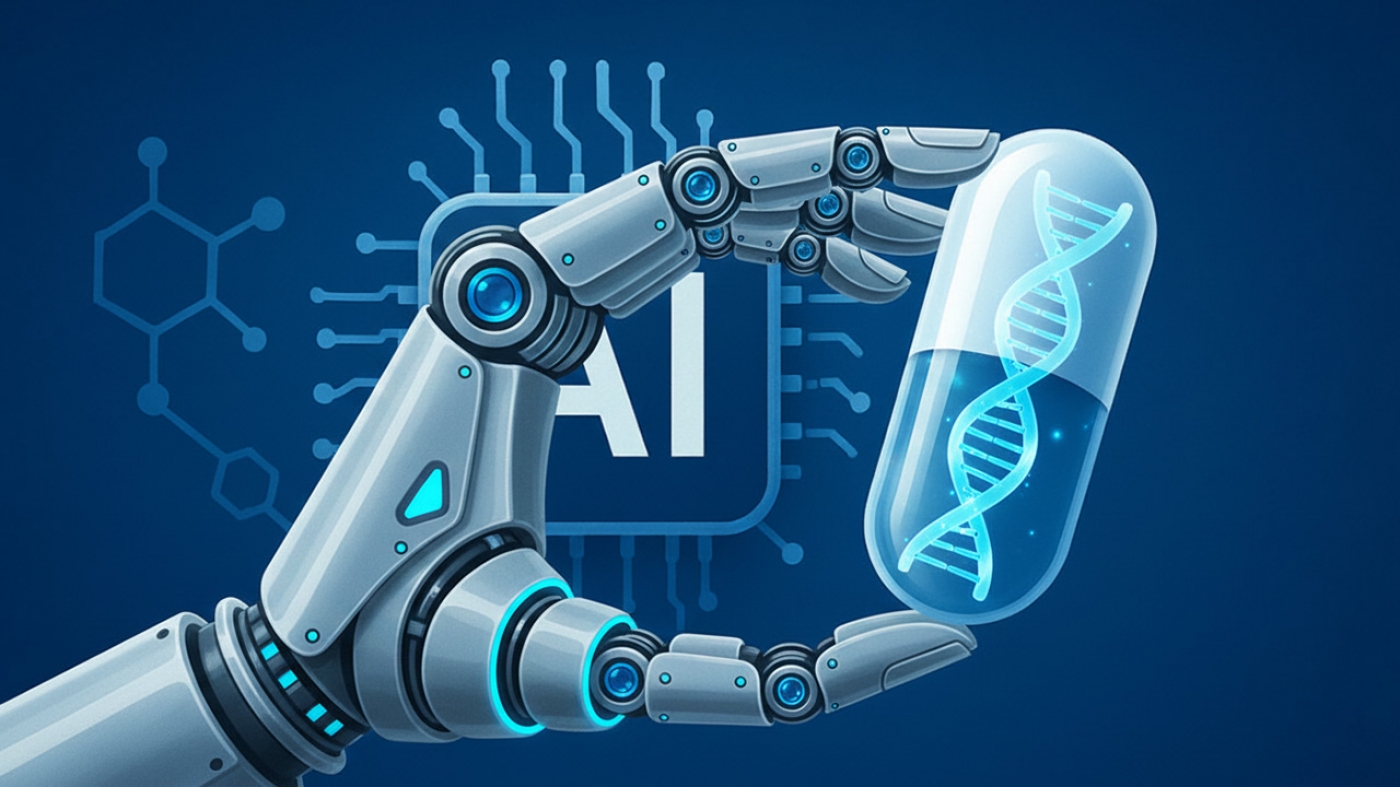
Dr. Mohammad Reza Shahini, Deputy CEO of Pars Hayan Pharmaceutical Group, explained that AI is no longer an optional add-on but has become an essential scientific decision-making tool in the development of next-generation nanoproducts.
Shahini stated that technologies such as nanoscience, big data, and artificial intelligence are driving a new wave of innovation. He added: “Combining nanotechnology with artificial intelligence gives researchers remarkable new capabilities.”
According to him, AI’s ability to learn from and analyze complex patterns makes it a powerful tool for reducing development timelines and increasing precision in the creation of health-focused products.
Shahini provided several practical examples of AI’s integration into the pharmaceutical and personal care sectors. He explained that AI can identify different active nanoparticles used in formulations and categorize their properties.
He highlighted AI's role in nanoparticle safety assessment, noting that: “Based on scientific evidence, AI has been able to evaluate the safety of materials such as titanium dioxide and deliver reliable assessments.”
Shahini also pointed out that AI can compare nanoparticles for different skin types and, based on factors such as sensitivity and pigmentation, recommend the most suitable nanoparticles for sunscreen formulations.
He stressed that these capabilities show AI’s active and operational role in R&D — not merely theoretical use.
Shahini described how AI is also transforming the sourcing of nanoscale raw materials. AI can analyze key parameters — including purity, particle size and shape, functional groups, morphology, and surface characteristics — and recommend optimal choices based on the intended application.
Moreover, the technology can even propose technical specifications directly to reputable global manufacturers.
Shahini added that Pars Hayat uses AI to analyze sales patterns across Iranian provinces and cities, enabling the company to forecast market needs with higher accuracy, optimize distribution pathways, and adjust marketing strategies based on real-world data.
He emphasized that this data-driven approach significantly improves efficiency across the value chain of health products.
In conclusion, Shahini noted that integrating AI with nanotechnology will define the future of Iran’s pharmaceutical sector. By leveraging intelligent tools, the industry can dramatically enhance production quality, accelerate product development, improve safety evaluation accuracy, and deliver meaningful benefits to the national healthcare economy.
 Comments

 130718
 0
0  Printable