
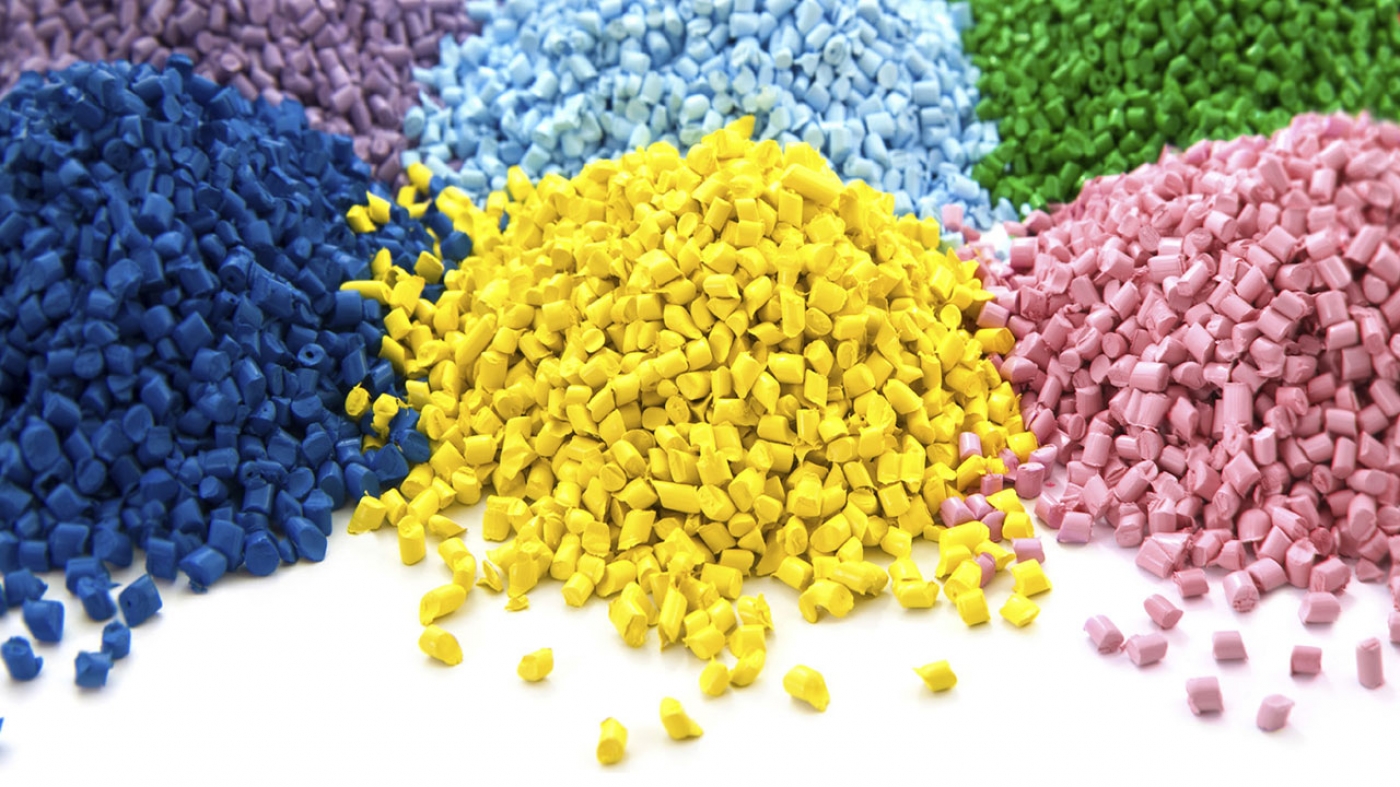
An Iranian knowledge-based company has developed advanced antibacterial polymer compounds using engineered nanoparticles, offering effective microbial protection without toxic additives. Produced through precise nanotechnology processes and strict quality control, these materials are now used in industries from textiles to packaging. With strong technical capabilities and a 4,500-ton annual capacity, Saee Polymer Danesh is preparing to expand into domestic and international markets.
 November 16, 2025
 Industrial
In recent years, one of the most significant achievements in nanotechnology has been the development of antibacterial polymer compounds containing engineered nanoparticles, offering a major leap forward in product hygiene, durability, and safety. Engineer Ahmad Yavari, CEO of the knowledge-based company Saee Polymer Danesh, introduced this homegrown technology and highlighted the company’s capabilities in producing advanced nano-enhanced masterbatches and polymer compounds, stressing the critical importance of safety and microbiological testing in product development.
The widespread use of polymer-based materials—from packaging and textiles to medical devices and household goods—has heightened the need to improve their physical performance and hygienic properties. Microbial contamination remains a key challenge, especially in warm or humid environments where it can reduce product lifespan and compromise user safety. Nanotechnology-based antibacterial additives offer an innovative and effective solution, and Iranian tech-based companies are increasingly investing in their development and commercialization.
Explaining the company’s journey, Yavari stated: “Saee Polymer Danesh was founded in 2019 and began operations in 2020. Our core focus is the production of advanced polymer compounds and masterbatches used across textile, packaging, electronics, agriculture, and construction industries.”
The company now operates with an annual production capacity of 4,500 tons and is equipped with modern laboratories, advanced production lines, and a strong industrial infrastructure.
Yavari noted that the company has developed a diverse range of nano-scale products, including:
Antibacterial masterbatches
Graphene-based reinforcement masterbatches for textiles
High-filled performance masterbatches
A flagship product is their antibacterial polyethylene compound containing engineered nanoparticles, which has been commercialized over the past two years. According to Yavari, this compound offers not only strong antibacterial performance but also superior safety and biocompatibility compared to traditional antibacterial agents such as arsenic-based materials or organic antimicrobial chemicals.
Yavari emphasized the unique attributes of the company’s antibacterial nanocompounds: “These materials are designed to deliver efficient antibacterial action without toxic additives. They offer much higher safety in contact with skin or biological environments compared to conventional chemical formulations.”
The nanoparticles work through several simultaneous mechanisms:
Releasing active ions
Damaging bacterial cell membranes
Preventing biofilm formation
Generating reactive oxygen species that inhibit microbial growth
These features make the products suitable for high-hygiene applications such as food packaging, medical device components, and sanitary product manufacturing.
Describing the production process, Yavari explained: “Manufacturing involves preparing a nanoparticle suspension, ultrasonic dispersion, mixing with the polymer base, and granulation. Maintaining uniformity and preserving nanoscale properties require strict control at every step.”
Advanced techniques such as Transmission Electron Microscopy (TEM) and X-ray Diffraction (XRD) are used to verify the dispersion and structure of nanoparticles. However, Yavari stressed that structural tests alone are not sufficient: “Even if TEM and XRD confirm proper dispersion, the compound must pass microbiological tests. Without successful microbial performance results, the product cannot be considered effective.”
Saee Polymer Danesh follows a strongly market-driven approach, addressing the real needs of downstream industries. Its products are already used in sectors such as textiles, electronics, agriculture, and packaging.
Although several products offer high mechanical strength, Yavari identified polypropylene-based textile compounds as the company’s strongest and most durable materials.
With growing production capacity and increasing collaboration with industrial partners, the company aims to expand its presence in domestic markets while advancing into international markets.
 Comments

 65908
 195613
 321027

 0
 Printable